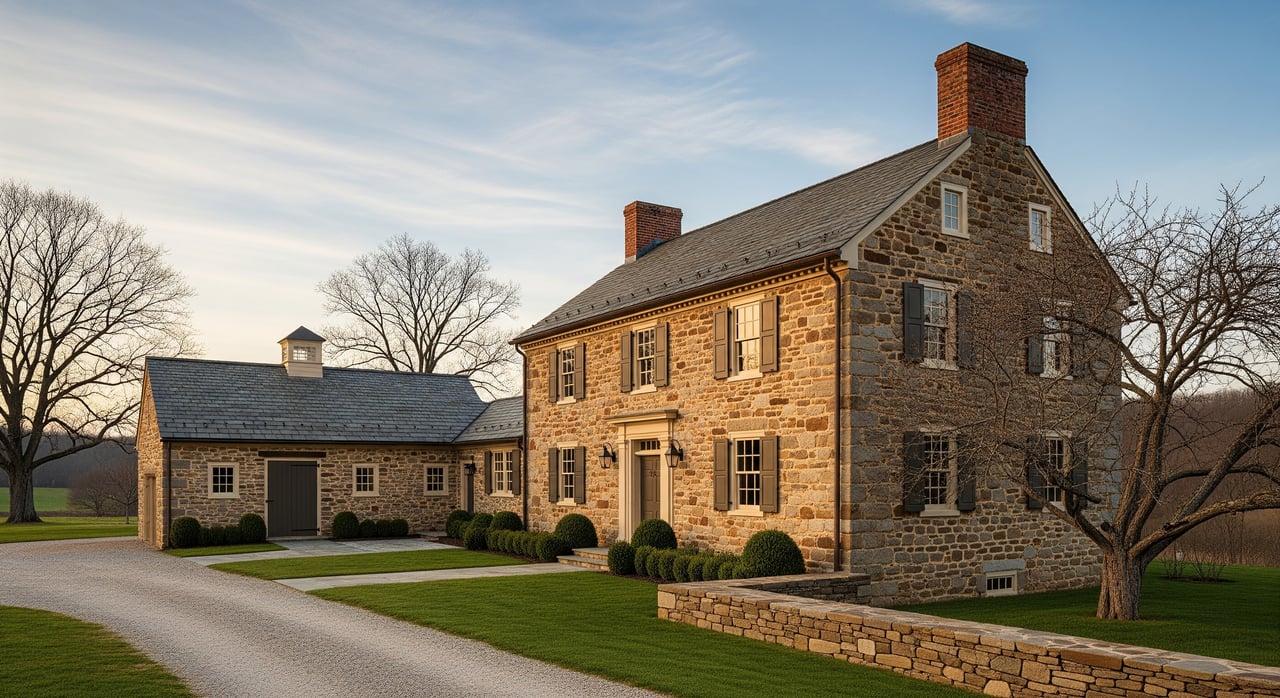
Falling for a historic home in Waterford is easy. The stone walls, metal roofs, and walkable village setting feel timeless. Before you picture a new porch or solar panels, it helps to understand how historic district overlays shape what you can change and how. This guide gives you the essentials so you can shop with confidence and plan smart. Let’s dive in.
A historic district overlay is a local zoning tool that protects community character. It sits on top of the base zoning and adds rules and review steps for certain exterior changes, new construction, and demolition when visible from public streets.
At the federal and state level, listings such as the National Register of Historic Places are mostly honorific for private owners. They do not by themselves restrict what you can do unless federal funds or permits are involved. The local overlay is what typically regulates your renovations.
In Virginia, counties and towns can adopt historic district regulations and review processes under state law. Local ordinances usually reference the Secretary of the Interior’s Standards for Rehabilitation to evaluate proposed work. That means your project is reviewed for compatibility and long-term stewardship, not to freeze a home in time.
In villages like Waterford, county planning staff and a local historic district review board or similar body typically review exterior changes that meet certain triggers. Waterford also has an active preservation community. Nonprofit groups such as the Waterford Foundation may offer guidance or hold preservation easements, but the county ordinance is the regulatory authority you work with day to day.
Always confirm the exact review process, submission requirements, and who makes decisions with Loudoun County. If a property also has a preservation easement, the easement holder may have additional approval requirements.
While details vary by locality, you should expect review for exterior elements visible from public rights of way, including:
Paint color is not always regulated by ordinance. Some local guidelines may give direction on appropriate palettes. Ask the county what applies to a specific address.
Many exterior projects in an overlay require a formal approval often called a Certificate of Appropriateness, or COA. Expect a process like this:
Local programs typically look for the following:
Projects that follow the Secretary of the Interior’s Standards or local design guidelines generally have the best chance of approval.
Replacement windows are often a focal point of review. Repairing historic windows is commonly encouraged, and replacement proposals are reviewed for matching size, profile, and muntin patterns that are compatible with the home. Additions are possible when they are scaled and detailed to complement the original structure and minimize visual impact from public streets. Energy upgrades like insulation are usually straightforward, while window replacements face more scrutiny.
Many historic districts allow solar energy with placement that minimizes visibility from the public right of way. Rear roof slopes or discreet ground-mounted arrays are common solutions. Accessibility updates such as ramps and lifts are typically allowed when designed to blend with the property and limit visual impact. Discuss your ideas with county staff early to understand preferred locations and materials.
Demolition or relocation of contributing historic structures faces a higher level of review. Waiting periods and strong documentation requirements are common. Interior renovations are generally not regulated by local overlays unless a preservation easement applies or the property is government owned or subject to special conditions. If an easement exists, contact the easement holder to learn what is covered.
A little prep goes a long way. Doing this homework upfront helps you compare homes accurately and avoid surprises later.
A preservation easement is a legal agreement that can protect a property’s exterior and sometimes site features independent of zoning. Easements are often held by nonprofits or government bodies. They run with the land and may require the easement holder’s approval for certain changes. Always request and review any easement documents during your due diligence, and contact the holder with questions.
If you plan an income-producing project, federal historic rehabilitation tax credits may be available when work meets the federal standards. State and local programs can change over time. Buyers considering commercial or rental rehabilitation should contact the Virginia Department of Historic Resources and Loudoun County staff to discuss current program availability and eligibility.
Historic designation and overlays can support neighborhood stability and long-term value by encouraging consistent stewardship. Weigh that benefit alongside maintenance needs, review timelines, and your renovation goals to decide what fits your plans.
Before you tour
Before you make an offer
After you are under contract
Buying in Waterford’s historic overlay rewards thoughtful planning. You will navigate a few extra steps, but the result is a home that keeps its character and serves your lifestyle. With the right guidance, you can map out timelines, approvals, and costs before you commit.
If you are weighing homes in Waterford or across Western Loudoun, reach out to Leslie Carpenter for buyer representation tailored to historic and character homes. Leslie’s local insight, vendor connections, and clear communication help you move forward with confidence.
Address
44927 George Washington Blvd. #265 Ashburn, VA 20147