Wondering whether your next home in Leesburg should put you steps from downtown or behind a long private drive? It is a common choice here, and it can feel bigger than square footage or price alone. If you are weighing in-town convenience against country acreage, the key is understanding how each option shapes your daily routine, maintenance, and long-term ownership experience. Let’s dive in.
Leesburg offers two distinct ways to live. In town, you get a more compact, pedestrian-oriented setting centered around the historic core, parks, trails, events, and managed public infrastructure. Outside town, especially in the surrounding rural areas, ownership often comes with acreage, privacy, and more direct responsibility for land systems and land-use details.
That difference matters because this is not just a style preference. It affects how often you drive, how you maintain your property, what approvals you may need for exterior changes, and how much time you want to spend caring for land versus enjoying nearby amenities.
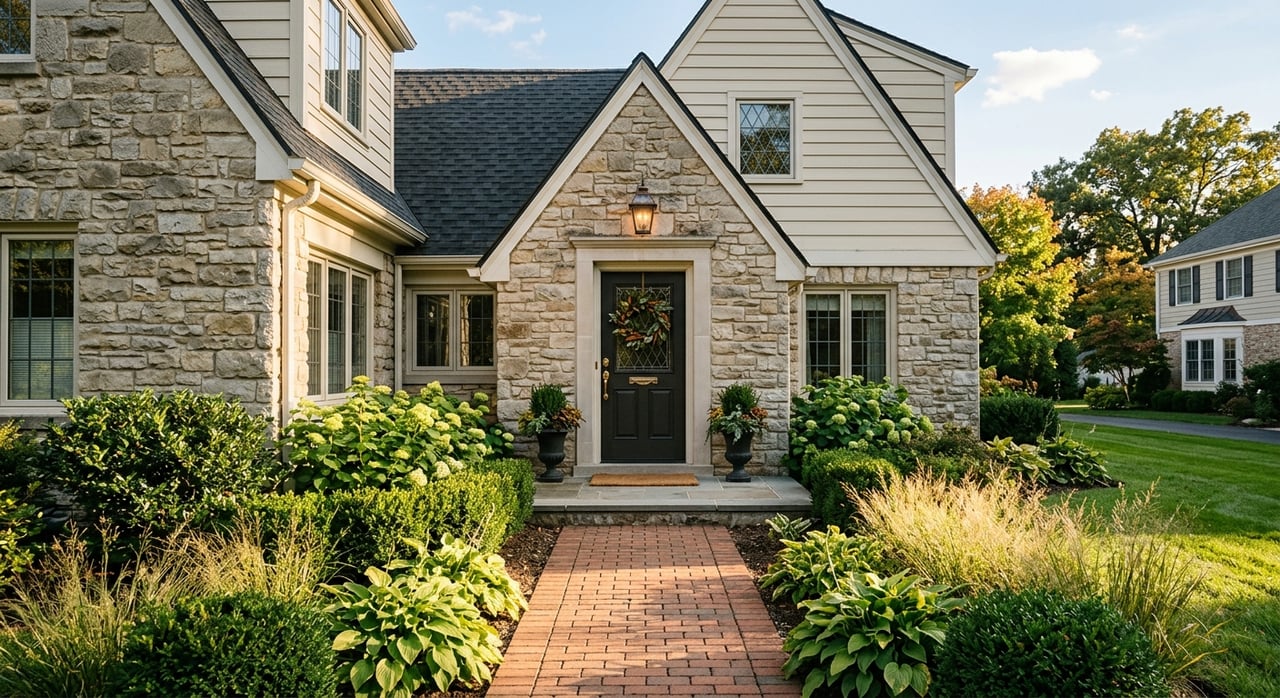
In-town Leesburg often appeals to buyers who want to be close to restaurants, events, trails, and town services. The Old & Historic District is a locally designated overlay district with a preserved town center known for tree-lined streets, compact homes, shops, and architecture from several eras.
If you buy in this area, exterior changes may require a Certificate of Appropriateness from the Town. The overlay does not control use, parking, or lot coverage, and it does not create a separate special historic-district tax. That means you can enjoy historic character without assuming every part of ownership is regulated the same way.
Typical in-town options can range from a bungalow on about a quarter acre to a newer townhome with a two-car garage or a brick home within walking distance of restaurants, the library, events, and the W&OD Trail. Inventory changes quickly, but the general pattern is consistent: smaller lots, closer amenities, and a more connected street experience.
A country estate near Leesburg offers a different rhythm. Western Loudoun’s rural planning framework is designed to preserve farmland, rural economy uses, and equine uses, so acreage ownership often comes with more open space, more privacy, and more land-related considerations.
This type of property is often less about walking to dinner and more about the experience of the land itself. You may be drawn to wooded views, room to spread out, space for hobbies, or a setting that feels removed from the pace of town while still being a relatively short drive to shops, restaurants, and the airport corridor.
Examples in the surrounding area include homes on roughly 5 to 7 acres, including larger estate properties with extensive garage and driveway parking. The common thread is not just house size. It is the combination of acreage, privacy, and a property-centered lifestyle.
For many buyers, this is the real deciding factor.
Downtown Leesburg is built for regular foot traffic and shared public space. The Town promotes events such as First Friday, Summer JAMS, guided walking tours, and programming within its Arts & Cultural District. It also maintains 17 parks, including the 138-acre Ida Lee Park, along with the W&OD Trail and more than 10 miles of connected bike routes.
If you enjoy being able to head out for an event, a trail walk, or a quick errand without making every outing a car trip, in-town living may feel natural. Recent downtown improvements such as widened sidewalks, crosswalks, traffic calming, and sidewalk dining reinforce that lifestyle.
Country-estate living is usually quieter and more self-contained. Instead of a neighborhood built around sidewalks, parking, and nearby storefronts, your focus tends to be on the home site, the views, and the breathing room around you.
That can be a major advantage if you value privacy and a calmer pace. It can also be a better fit if your ideal weekend involves enjoying your own property rather than planning around downtown activity.
The biggest surprises often show up after closing, not before.
Town living generally comes with more municipal services and more visible rules around exterior changes. Leesburg’s Street Maintenance Division is responsible for more than 251 lane miles, and downtown parking is managed through garages, lots, on-street time limits, and on some streets, residential permit parking.
In the historic district, routine landscaping and in-kind maintenance are generally not reviewed. But exterior alterations, window replacements, and new construction can require review through the Certificate of Appropriateness process. The Town also notes that non-contributing properties may have more flexibility.
Country-estate ownership often means more property-level responsibility. Loudoun County regulates wells and onsite septic systems through the Health Department, and conservation easements are permanent recorded agreements that can affect how land may be used.
That is why due diligence matters so much with acreage. County guidance recommends that prospective buyers review easement terms with a land-use and zoning attorney, which tells you just how important land rights and land systems can be in a rural purchase.
When buyers compare in-town and country properties, they often focus first on price. A better approach is to compare the full ownership picture.
Town taxes in Leesburg are billed centrally by Loudoun County and include county and town line items. For tax year 2026, the Town’s real property rate is $0.1774 per $100 of assessed value, and the County’s general real property rate is $0.805 per $100. The historic district itself does not add a separate special tax.
On the practical side, one of the clearest differences is utilities and systems. In-town buyers may prefer a more public-service-oriented setup, while rural buyers should be prepared to understand private systems such as wells and onsite septic before they commit.
Leesburg offers stronger transit access than many buyers expect, but where you live still affects how you use it.
Loudoun County’s local bus service is free and includes Leesburg routes such as 56 and 57, connecting riders to places like Ida Lee, Rust Library, the Village at Leesburg, and the outlets. Transit On Demand also operates within a 5-to-6-mile Leesburg service area and runs seven days a week as of July 2026.
For regional commuting, the Leesburg Park and Ride serves commuter bus routes to Washington, D.C., Rosslyn, the Pentagon, and Crystal City. If access to transit options matters to you, living closer to town may make that routine easier.
A country estate often gives you easier on-site parking with a driveway, garage space, and fewer street-parking considerations. But that convenience usually comes with a more car-dependent routine for errands, dining, and commuting.
Downtown Leesburg has roughly 70 on-street parking spaces, plus public garages and lots, and some residential streets require permit parking. So if you want walkability, you should also be comfortable with more managed parking than you would find on acreage.
If you are still torn, these questions usually point you in the right direction:
The more clearly you answer those questions, the easier this decision becomes.
There is no universally better option in Leesburg. The right choice depends on how you want to live day to day, how much hands-on property responsibility feels comfortable, and whether convenience or privacy matters more in this season of life.
For some buyers, the answer is clear the moment they picture a Saturday morning walk downtown. For others, it becomes obvious when they imagine open land, quiet views, and the freedom of a more private setting. If you are weighing both, a thoughtful side-by-side strategy can help you compare not just homes, but the lifestyle each one supports.
If you are considering a move in or around Leesburg, the team at Listed by Leslie Group can help you compare in-town homes and acreage properties with a local, practical lens.
Address
44927 George Washington Blvd. #265 Ashburn, VA 20147