If you own a historic home in Waterford or Lovettsville, getting it ready to sell is not just about paint colors and decluttering. The right prep can protect your home’s character, avoid delays, and help buyers feel confident about what they are seeing. If you want a smoother listing process and a presentation plan that fits your home’s history, this guide will walk you through the key steps. Let’s dive in.
Before you schedule exterior work, confirm exactly how your property is classified. In Loudoun County, district rules can differ from one town to the next, and even district boundaries may not match a town name exactly.
County guidance notes that National Register boundaries and county historic-district boundaries can differ. That means you should check the specific parcel on the map instead of assuming the property is covered, or not covered, based on the address alone.
Waterford is one of Loudoun County’s locally administered Historic and Cultural Conservation Districts. In general, exterior alterations, new construction, demolition, fences, and signs require a Certificate of Appropriateness and review by the Historic District Review Committee before work begins.
The county also notes that repainting, interior alterations, and replacement-in-kind are generally exempt. Because reviews happen at monthly meetings and approvals can expire if work does not begin within five years, a pre-submittal meeting is often a smart first step.
Lovettsville’s historic district is listed on the National Register of Historic Places and the Virginia Landmarks Register. Loudoun County GIS metadata describes that district as honorary only, with no architectural review board and no associated zoning restrictions in place.
For most sellers, that means the process is less about approval before listing and more about clear documentation, thoughtful presentation, and accurate preparation. Lovettsville’s district includes a mix of older residences, commercial buildings, and other historic resources across the town core, so buyers often respond well to homes that show both authenticity and care.
Historic homes usually show best when you preserve original details instead of over-updating them. National Park Service guidance recommends repair before replacement and says that if replacement is necessary, the new work should match the old in design, color, texture, and, where possible, materials.
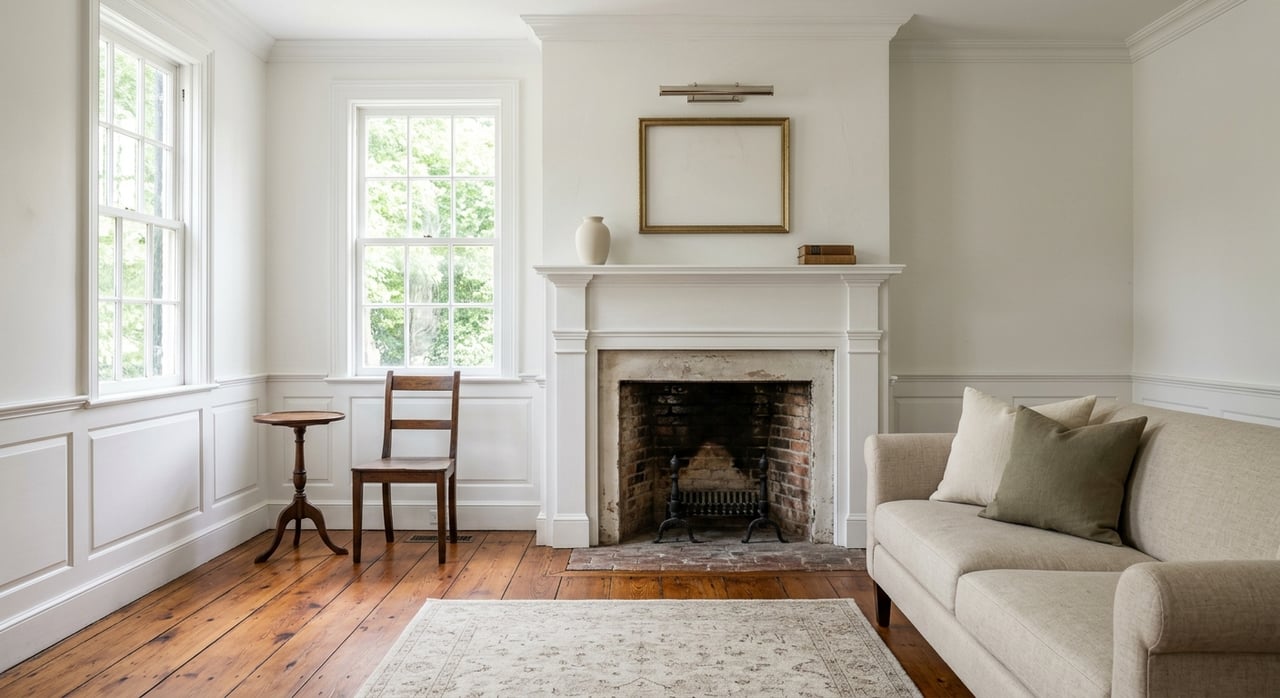
This matters because buyers drawn to older homes are often looking for original trim, wood floors, windows, porches, and room proportions. When those features remain visible and intact, your home often feels more authentic and more memorable.
A pre-sale refresh is usually strongest when it is simple and respectful of the home’s character. Clean thoroughly, touch up finishes, repair what you can in kind, and avoid aggressive changes that make the home feel stripped of its history.
The National Park Service also cautions against damaging treatments like sandblasting and other harsh physical or chemical methods. In most cases, a lighter-touch approach is the safer choice for both presentation and preservation.
In Waterford, the distinction between maintenance and material change is especially important. County guidance says repainting and in-kind replacement generally do not need review, while changes to materials or features like roofs, windows, doors, and porches can trigger review.
If you are considering exterior updates, confirm the scope before work begins. A rushed decision can lead to delays that affect your listing timeline.
Older homes often come with more questions, and that is not a bad thing if you are ready for them. A well-organized file can help buyers understand the property and help your sale move forward with fewer surprises.
Virginia’s residential disclosure framework directs buyers to review the local ordinance, map, and materials explaining what approvals may be required. For sellers, that makes preparation especially important.
Before listing, it helps to assemble:
This kind of prep package can make your home easier to evaluate and easier to trust. It also gives you a cleaner way to answer buyer questions once the home goes live.
If your property has a private well or septic system, gather those records before you hit the market. Loudoun County requires permits before drilling a new well or modifying an existing well, and before installing or modifying a septic system.
The county also maintains searchable records and notes that water must be tested after a well is drilled. For rural or estate-style historic properties, these details can be especially important to buyers.
If the home was built before 1978, federal lead disclosure rules apply. The EPA says sellers do not have to inspect for lead before sale, but buyers must be given a 10-day period to test for lead-based paint or lead-based paint hazards.
If you plan any renovation, repair, or painting work that could disturb lead paint, the EPA recommends using lead-safe certified contractors. That is worth keeping in mind when planning last-minute prep.
Historic homes can raise practical concerns that do not always show up in listing photos. A pre-list inspection, or targeted specialist reports, can help you decide what to repair, what to disclose, and where pricing should do the work.
Virginia law says sellers make no representations about the property’s condition and recognizes the role of specialists such as engineers, contractors, wood-destroying insect experts, and home inspectors. In other words, buyers are expected to do due diligence, and sellers benefit when they are prepared for that process.
For an older home, useful inspection questions often include:
These issues are often more meaningful than cosmetic imperfections. Addressing them early can help you avoid renegotiation later.
Historic homes rarely benefit from being staged like a brand-new build. Buyers usually connect more strongly when the home feels warm, edited, and true to itself.
The National Association of Realtors defines staging as presenting the home so buyers can see its strengths and imagine living there. In its 2025 consumer guide, 83 percent of buyers’ agents said staging made it easier for buyers to visualize a property, and about half said staged homes sold faster.
For occupied historic homes, a personalized approach often works better than over-neutralizing every room. Remove excess furniture and personal items, reduce visual clutter, and let original features stay in view.
This can be especially effective in homes with detailed millwork, older staircases, fireplaces, tall windows, or period flooring. The goal is to help buyers notice the architecture without feeling distracted by everyday life.
Historic homes compete best when their character is easy to see. If a room has beautiful trim, unusual proportions, or original materials, staging should support those details rather than hide them.
That is one reason premium listing prep matters so much in Waterford and Lovettsville. You are not just selling square footage. You are presenting a home with a story and making that story feel livable.
Great photography can make a historic home feel timeless, inviting, and well cared for. It can also work against you if the home looks overly edited or if key details are hidden.
The National Association of Realtors advises clean, clutter-free presentation and notes that virtual or photo enhancements that materially alter the property should be disclosed. For older homes, authenticity usually photographs better than heavy manipulation.
Your photo plan should make original trim, staircases, windows, and room proportions easy to see. Buyers who are specifically shopping for historic homes often zoom in on these details.
That is why thoughtful prep before photography matters. Clean surfaces, balanced furniture placement, and visible architectural features can help the home stand out for the right reasons.
The biggest mistake sellers make is assuming all historic-home prep works the same way. In Waterford, approval timing can shape what you do and when you do it. In Lovettsville, the bigger opportunity is often better documentation, cleaner presentation, and a strong marketing story.
In both places, the best results usually come from a plan that respects the home’s history while making it easier for today’s buyers to understand its condition and value. That balance can help you protect character and support a stronger sale.
If you are thinking about selling a historic home in Waterford or Lovettsville, the right guidance can make the process far less stressful. From identifying smart pre-sale updates to coordinating staging, photography, and launch timing, Listed by Leslie Group offers thoughtful, full-service support tailored to Western Loudoun homes.
Address
44927 George Washington Blvd. #265 Ashburn, VA 20147